How to Identify Worn-Out Stair Treads in Perth Before They Cause Problems
Staircases are one of the most frequently used features in any home or commercial property. While they are built to withstand daily wear and tear, stair treads can gradually deteriorate over time. Unfortunately, many property owners fail to notice the warning signs until safety issues arise. Identifying worn-out stair treads early can help prevent accidents, reduce repair costs, and maintain the appearance of your property.
In Perth, changing weather conditions, heavy foot traffic, and general aging can all contribute to stair tread deterioration. Knowing what to look for can make a significant difference in protecting both your investment and the people who use your stairs every day.
Why Stair Treads Wear Out
Stair treads are the horizontal surfaces that support your feet as you move up and down a staircase. Because they bear the majority of the weight and impact from foot traffic, they naturally experience more wear than other staircase components.
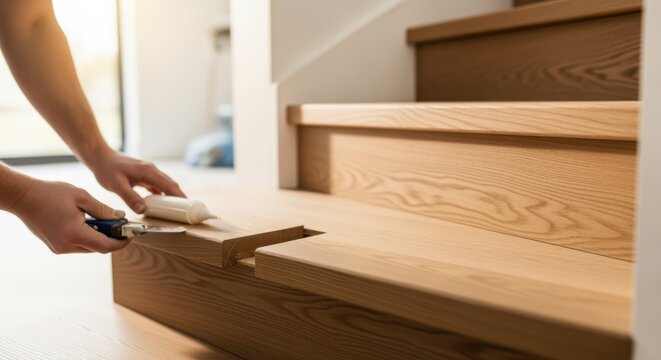
Several factors can accelerate deterioration, including:
- Constant daily use
- Exposure to moisture and humidity
- Poor maintenance
- Heavy furniture movement
- Age-related material degradation
- Direct sunlight exposure
Over time, even high-quality timber stair treads can begin showing signs of wear if they are not properly maintained.
Visible Surface Damage
One of the easiest ways to identify worn-out stair treads is through a simple visual inspection. Surface damage often appears long before structural issues develop.
Look for:
- Deep scratches and gouges
- Cracks in the timber
- Splintering edges
- Peeling finishes
- Fading or discoloration
- Uneven wear patterns
Minor cosmetic damage may not immediately affect safety, but it can indicate that the protective finish has worn away, leaving the timber vulnerable to further deterioration.
Noticeable Dips and Uneven Areas
As stair treads age, they can begin to develop depressions or dips in areas that receive the most foot traffic. These worn sections can become hazardous because they affect footing and balance.
Run your hand across the tread surface and look from different angles. If you notice uneven areas, grooves, or a sagging appearance, the tread may be reaching the end of its service life.
Even small depressions can increase the risk of slips and trips, particularly for children and older adults.
Squeaking and Movement
A staircase should feel solid and stable when used. If you hear squeaking noises or notice movement when stepping on a tread, this may indicate underlying problems.
Common causes include:
- Loose fasteners
- Worn support structures
- Timber shrinkage
- Weak connections between components
While occasional squeaks are common in older staircases, persistent noises combined with movement should never be ignored. These symptoms often suggest that repairs or replacements may be required.
Cracks and Splits in the Timber
Timber naturally expands and contracts due to changes in temperature and humidity. Over time, this movement can create cracks or splits in stair treads.
Small hairline cracks may be cosmetic, but larger cracks can compromise structural integrity. Pay particular attention to cracks that:
- Extend across the entire tread
- Continue to grow over time
- Appear near fastening points
- Cause sections of timber to lift
Prompt attention can prevent more extensive and costly repairs later.
Slippery Surfaces
Safety is one of the biggest concerns when evaluating stair tread condition. A worn-out surface can become surprisingly slippery, especially when the protective coating has deteriorated.
Signs of reduced traction include:
- Smooth polished areas
- Worn anti-slip strips
- Excessive shine from wear
- Difficulty maintaining grip while walking
If family members or visitors frequently feel unstable on the stairs, it may be time to inspect the treads more closely.
Water Damage and Rot
Moisture is one of the greatest threats to timber staircases. Water damage can weaken the wood internally long before obvious signs become visible.
Watch for:
- Soft spots
- Swelling
- Dark staining
- Mould growth
- Musty odours
- Rotting timber
Outdoor staircases and stairs located near entrances are particularly vulnerable to moisture-related damage. Addressing water issues early can prevent significant structural deterioration.
Loose Stair Treads
A loose stair tread should always be treated as a serious safety concern. Even slight movement can increase the risk of falls and indicate that the supporting structure requires attention.
To check for looseness:
- Apply gentle pressure to different parts of the tread
- Listen for unusual sounds
- Observe any shifting movement
- Inspect visible joints and fasteners
If a tread feels unstable, professional assessment is recommended before the problem worsens.
Increased Maintenance Requirements
Another common indicator of aging stair treads is the need for increasingly frequent repairs. If you find yourself regularly filling cracks, tightening fasteners, or refinishing surfaces, the treads may be nearing replacement age.
Repeated repairs can eventually become more expensive than installing new treads, especially when underlying structural issues are present.
The Importance of Early Action
Ignoring worn stair treads can lead to more than cosmetic problems. As deterioration progresses, safety risks increase and repair costs often become higher. Regular inspections allow homeowners to identify concerns before they become major hazards.
By addressing wear early, you can:
- Improve staircase safety
- Extend staircase lifespan
- Protect property value
- Reduce maintenance expenses
- Enhance overall appearance
Professional inspections can also help identify hidden issues that may not be immediately visible.
Final Thoughts
Stair treads Perth play a critical role in the safety and functionality of any staircase. Paying attention to warning signs such as cracks, uneven surfaces, squeaking, water damage, and loose components can help prevent accidents and costly repairs. Regular maintenance and timely inspections are essential for keeping your stairs in excellent condition.
For homeowners seeking quality staircase solutions and expert guidance, Timberwest offers durable timber products designed to enhance both safety and style. Identifying wear early and taking action when needed can ensure your staircase remains reliable for years to come.


Comments
Post a Comment